What to Know Before Starting Cosmetic Dentistry Bakersfield CA
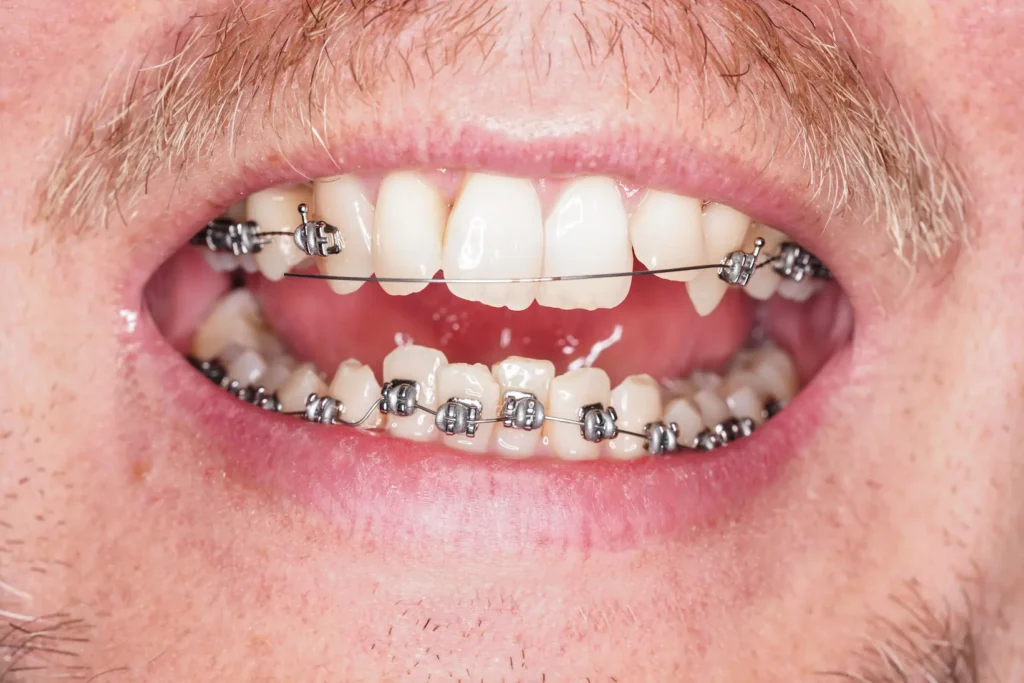
A better smile can change the way people carry themselves, but cosmetic dental work is rarely as Cosmetic Dentistry Bakersfield CA simple as choosing whiter teeth and booking an appointment. Most patients arrive with a picture in mind, often influenced by social media, old family photos, or a single feature they have disliked for years. Then the real conversation starts. What can be improved, what should be preserved, what needs to be repaired first, and what will still look good five or ten years from now?
If you are considering Cosmetic Dentistry Bakersfield CA, it helps to know that good cosmetic treatment is not only about appearance. The strongest results come from a mix of aesthetics, function, materials, and planning. I have seen people spend money twice because they started with the wrong procedure, pushed for a shade that looked unnatural, or skipped treatment for gum disease and grinding. On the other hand, I have also seen careful, conservative work make a dramatic difference without looking obvious at all.
The most useful mindset is to think beyond the before-and-after photo. Cosmetic dentistry works best when it fits your face, bite, habits, timeline, and budget.
Start with the reason you want treatment
There is a real difference between wanting a brighter smile and needing a full smile redesign. Patients often use broad language, saying they want veneers or a complete makeover, when what bothers them is actually one issue, such as a dark front tooth, spacing, old bonding, or worn edges. The first job is to identify the actual concern.
Someone in their late twenties may only need whitening and minor bonding to correct chips from years of nail biting. A person in their fifties might be dealing with edge wear, older fillings that show when smiling, and slight shifting that changed the symmetry of the front teeth. These are not the same case, even if both people say they want a more youthful smile.
A good cosmetic consultation usually gets specific very quickly. Which teeth show when you talk? Do you smile wide or keep your lips tight in photos? Do you want people to notice a dramatic change, or do you want them to think you simply look rested and polished? Those details matter because the right treatment is tied to how visible the issue is in real life, not just in a mirror held six inches from your face.
Health comes before cosmetics, every time
This is the step people most want to skip. If you have untreated decay, active gum inflammation, loose restorations, or a bite problem that is breaking teeth down, cosmetic work should not come first. It may still be part of the plan, but it should not be the opening move.
Think of it this way. Porcelain does not fix a cavity under an old filling. Whitening does not solve gum recession. Veneers cannot protect teeth from heavy nighttime grinding unless the underlying habit is managed too. Cosmetic work placed on an unstable foundation tends to fail earlier, and when cosmetic dentistry fails, the replacement cost is usually higher than the original cost.
That is especially relevant for patients seeking Cosmetic Dentistry Bakersfield CA after years of postponing care. Some come in focused on color and shape, then learn the gums need treatment first. Others want veneers when orthodontic correction would save more tooth structure. A careful dentist does not rush past those conversations.
Healthy gums are one of the biggest predictors of an attractive result. If the gumline is uneven, puffy, or receding, even beautifully crafted restorations can look off. Small differences in gum contour are surprisingly noticeable around the front teeth. In many cases, addressing periodontal health first improves the final appearance more than patients expect.
Not every cosmetic procedure solves the same problem
Cosmetic dentistry gets discussed like a single service, but it includes several different tools. The challenge is matching the tool to the problem.
Whitening is excellent for generalized discoloration, especially from coffee, tea, wine, age-related yellowing, or surface stains. It is less predictable for certain internal stains, old dental materials, or one dark tooth after trauma. Bonding is useful for small chips, narrow spaces, and subtle contouring, but it does not resist staining and wear the way porcelain does. Veneers can dramatically improve shape, size, color, and symmetry, but they require thoughtful planning and often some enamel reduction. Crowns may be necessary when a tooth is too damaged for a veneer, though they are not a cosmetic shortcut and should not replace more conservative care when a less invasive option will work.
Orthodontic treatment also belongs in the cosmetic conversation more often than people realize. Mild crowding, rotations, and spacing can sometimes be handled with aligners rather than masking the issue with restorations. That approach may take longer, but it often preserves more natural tooth structure. For the right patient, the long-term trade-off is worth it.
One of the more common disappointments I see is when someone chooses a fast procedure for a problem that would have responded better to staged care. They wanted immediate transformation, got a partial result, then felt boxed into more dentistry later. Speed is not always a bargain.
Veneers deserve a more careful conversation than they usually get
Veneers are often marketed as the answer to everything. Sometimes they are the right answer. Sometimes they are not. The distinction matters because veneers can be beautiful and durable, but they are still a commitment.
The best veneer cases usually involve patients with healthy teeth who want to change color, proportions, wear patterns, or minor alignment concerns. The worst veneer cases often begin with unrealistic expectations, aggressive tooth preparation, or a mismatch between the patient's bite and the treatment plan.
A natural smile is not perfectly identical from tooth to tooth. Real enamel reflects light with a little depth and variation. The edges of front teeth are not always ruler-straight. A strong cosmetic dentist knows when to add polish and when to leave subtle character alone. Overdone veneers tend to have the same problems: they are too opaque, too bulky, too white, or too square for the patient's face.
That is why mock-ups, smile design previews, or provisional restorations can be so helpful. Seeing a proposed shape in the mouth changes the conversation. A patient may think they want larger central incisors, then realize the trial version looks too dominant when they speak. Those adjustments are far easier before final porcelain is made.
It is also worth asking how many teeth need treatment. Sometimes two front teeth are enough. Sometimes four, six, or eight create better symmetry. There is no universal number, and pushing every case toward a larger veneer count is not always in the patient's best interest.
The color question is more complicated than white versus whiter
Shade selection sounds simple until the teeth are actually in the room. People often bring reference photos that are heavily filtered or lit in ways no real smile ever appears under normal daylight. A shade that looks fresh and bright on one person can look flat or artificial on another.
Skin tone, lip shape, facial structure, age, and the natural color of the surrounding teeth all play a role. So does personality. Some patients want a glamorous, camera-ready brightness. Others want an understated result that no one can identify as dental work. Neither preference is wrong, but each leads to a different plan.
A frequent mistake is whitening first without discussing whether veneers, crowns, or bonding will follow. Natural teeth can whiten, but most restorations do not change shade after placement. If you bleach your teeth and then replace only one visible restoration, matching becomes easier. If you place restorations first and change your mind later about brightness, that becomes more complicated and more expensive.
There is also a practical side to very bright shades. They can look striking at first but show mismatch more clearly if adjacent teeth age, stain, or need future work. That does not mean bright is bad. It means shade should be chosen with maintenance in mind.
Your bite and habits can make or break the result
People usually think about appearance first, but function often decides how long cosmetic work lasts. If you clench, grind, chew ice, bite your nails, use your teeth to open packages, or have edge-to-edge contact on the front teeth, that history matters.
A patient with heavy wear may need a night guard after veneers or bonding. Another may need bite adjustment or a more durable material in certain areas. Someone with strong chewing forces might do well with porcelain in one situation and less well in another, depending on the location and thickness of the restoration.
I remember a case where the patient wanted minor front-tooth bonding repaired for the third time in four years. The bonding was not failing because the material was poor. It was failing because he clenched hard during sleep and had Cosmetic Dentistry Bakersfield CA never been given a protective appliance. Once the bite issue was addressed and a night guard added, the repairs lasted. That kind of pattern is common.
If you are exploring Cosmetic Dentistry Bakersfield CA, ask how your bite will be evaluated before cosmetic treatment begins. It is not a minor detail. It is often the difference between dentistry that lasts and dentistry that keeps needing repair.
Materials matter, but so does the hand using them
Patients often hear names of materials and assume one brand or one type of porcelain guarantees the outcome. It does not. The material matters, but preparation design, bonding technique, laboratory communication, and finishing matter just as much.
Bonding can be elegant and conservative in skilled hands. It can also stain, chip, or look dull if it is used in the wrong setting or finished poorly. Porcelain can be lifelike and strong, but it can also appear too thick or uniform if the design ignores facial proportions and light dynamics. A beautiful case is usually the result of coordinated decisions, not just a premium product.
This is one reason before-and-after galleries deserve a close look. Not only the dramatic transformations, but the subtle ones. Look for patients who seem real, not only extreme makeover examples. Pay attention to whether the smiles fit the faces. Good cosmetic work rarely looks interchangeable.
Budgeting for cosmetic dentistry means looking past the first estimate
Fees for cosmetic work in Bakersfield can vary widely based on the procedure, number of teeth involved, material choice, complexity, and whether preparatory care is needed. That spread can be frustrating, but it often reflects genuine differences in planning, skill, lab collaboration, and appointment time.
The cheapest option can become the most expensive if it needs replacement early or creates problems that require correction. At the same time, the highest fee does not automatically guarantee the best outcome. The useful question is what is included and how the office thinks through the case.
Ask about records, wax-ups or mock-ups, temporaries if applicable, follow-up visits, bite guards, and whether adjustments are included after placement. If financing is part of your decision, weigh the monthly payment against the lifespan and maintenance of the treatment, not just the initial affordability.
Cosmetic dentistry is often elective, which makes people more price-sensitive. That is understandable. But elective does not mean casual. If you are changing visible teeth, especially front teeth, precision is worth paying for.
The consultation should feel collaborative, not sales-driven
A strong consultation has a certain quality to it. You feel listened to. The dentist asks questions beyond "What shade do you want?" They evaluate gum display, tooth proportions, wear patterns, existing dental work, and your bite. They explain why one approach may be better than another, including what they would avoid and why.
Be careful if the conversation jumps straight to a large treatment plan without documenting the basics first. Cosmetic decisions should be made with photographs, radiographs where appropriate, and a clear understanding of the current condition of the teeth. If a dentist dismisses your concerns about preserving tooth structure, longevity, or maintenance, that is a warning sign.
These are useful questions to bring to a cosmetic consultation:
- What are the most conservative options for my situation?
- How long should this treatment reasonably last with good care?
- Will this change the structure of healthy teeth permanently?
- How will my bite, grinding, or gum condition affect the result?
- Can I preview the proposed shape or smile before final placement?
Those five questions tend to reveal how thoughtfully the case is being approached. They also shift the discussion from appearance alone to long-term planning.
Bakersfield-specific practicalities people sometimes overlook
Climate and location do not change the biology of teeth, but local lifestyle patterns do influence cosmetic maintenance. In Bakersfield, many patients spend long hours outdoors, work physically demanding jobs, or have schedules that make multi-visit treatment harder to manage. That matters when deciding between quick cosmetic fixes and more staged treatment.
Dry mouth is another issue worth mentioning. It can be related to medications, mouth breathing, dehydration, or certain health conditions. A dry mouth increases the risk of decay around restorations and can shorten the life of cosmetic work if not addressed. This often gets less attention than color or shape, yet it can affect the outcome more than people expect.
There is also the practical question of follow-up. Choosing a provider for Cosmetic Dentistry Bakersfield CA is not only about who can deliver the procedure. It is also about who will be available for small refinements, shade checks, bite adjustments, and maintenance. Cosmetic dentistry sometimes needs fine-tuning after placement. That is normal. Being able to return to the same office for continuity helps.
Maintenance is part of the treatment, not an afterthought
Cosmetic dental work ages. Natural teeth age too, but restorations do it differently. Bonding can pick up stain around the margins. Whitening fades gradually, especially with coffee, red wine, or tobacco exposure. Porcelain can last many years, but the surrounding teeth and gums will still change over time.
That does not make cosmetic treatment a poor investment. It just means the investment includes maintenance. Patients who do best are the ones who understand this from the beginning.
After treatment, most people benefit from a few consistent habits:
- Keep regular hygiene visits and exams, even if the work feels "finished."
- Use a night guard if your dentist recommends one.
- Limit habits that chip or stain teeth, especially chewing ice and smoking.
- Ask before using over-the-counter whitening products on or around restorations.
- Return early if you notice rough edges, bite changes, or gum irritation.
A tiny adjustment made early can prevent a larger repair later. Ignoring a minor chip or a bite discrepancy usually does the opposite.
The best cosmetic result often looks like nothing happened
This is the part many people do not expect. The most successful cosmetic dentistry often does not announce itself. Friends may say you look healthier, more confident, or more refreshed without being able to identify the exact reason. That is often the mark of skilled work.
Natural-looking cosmetic dentistry respects proportion, translucency, lip support, speech, and facial movement. It avoids the trap of designing teeth in isolation. Teeth do not exist on a white background under studio lights. They exist in a moving face, in daylight, at lunch meetings, in family photos, and in ordinary conversation.
If you are thinking about Cosmetic Dentistry Bakersfield CA, slow down enough to make the right choices. Get clear on what bothers you. Make sure the teeth and gums are healthy first. Understand the trade-offs between whitening, bonding, orthodontics, veneers, and crowns. Ask how your bite affects longevity. Look for a dentist whose work fits real people, not just dramatic marketing.
When the planning is sound, cosmetic dentistry can be one of the most satisfying changes a patient makes. Not because the teeth look perfect, but because the smile starts to feel like it belongs to them again.
Toothworks of Bakersfield, Dentist and Orthodontist
Address: 1030 H St #1, Bakersfield, CA 93304
Phone number: +16613239421
FAQ About Cosmetic Dentistry Bakersfield CA
What is considered cosmetic dentistry?
Cosmetic dentistry includes any dental treatment focused primarily on improving the appearance of your teeth, gums, or bite rather than treating a disease or restoring basic function.
How much does cosmetic dentistry usually cost?
The cost of cosmetic dentistry typically ranges from a few hundred dollars for minor touch-ups to over $20,000 for a comprehensive smile makeover, depending entirely on the specific procedure, materials used, and how many teeth are treated. Because most cosmetic treatments are elective, they are usually paid out of pocket without insurance coverage.
Is there a difference between a regular dentist and a cosmetic dentist?
Yes, a regular dentist focuses on your overall oral health and preventing disease, while a cosmetic dentist focuses on improving the look of your smile.